
TB Testing
If you are experiencing any symptoms like cough, chest pain, fever, weight loss or any other unusual symptoms, you need to get yourself tested for tuberculosis.
You can save your spot online or by walking in. We’re open every day of the year and offer convenient same-day, evening, weekend, and holiday care.
What is Tuberculosis
Tuberculosis is an infectious disease caused by Mycobacterium tuberculosis, which mainly affects the lungs, although many systems can be involved. It is a contagious disease that spreads when an infected person coughs, sneezes or comes in close contact with healthy individuals.
Types of TB Testing at Urgent Care
There are three common types of tuberculosis testing done in urgent care clinics. This may include:
- Blood Test: In this test, the healthcare provider checks the levels of interferon-gamma produced in your body due to infection. A high level in test results indicates that you have an active or latent TB.
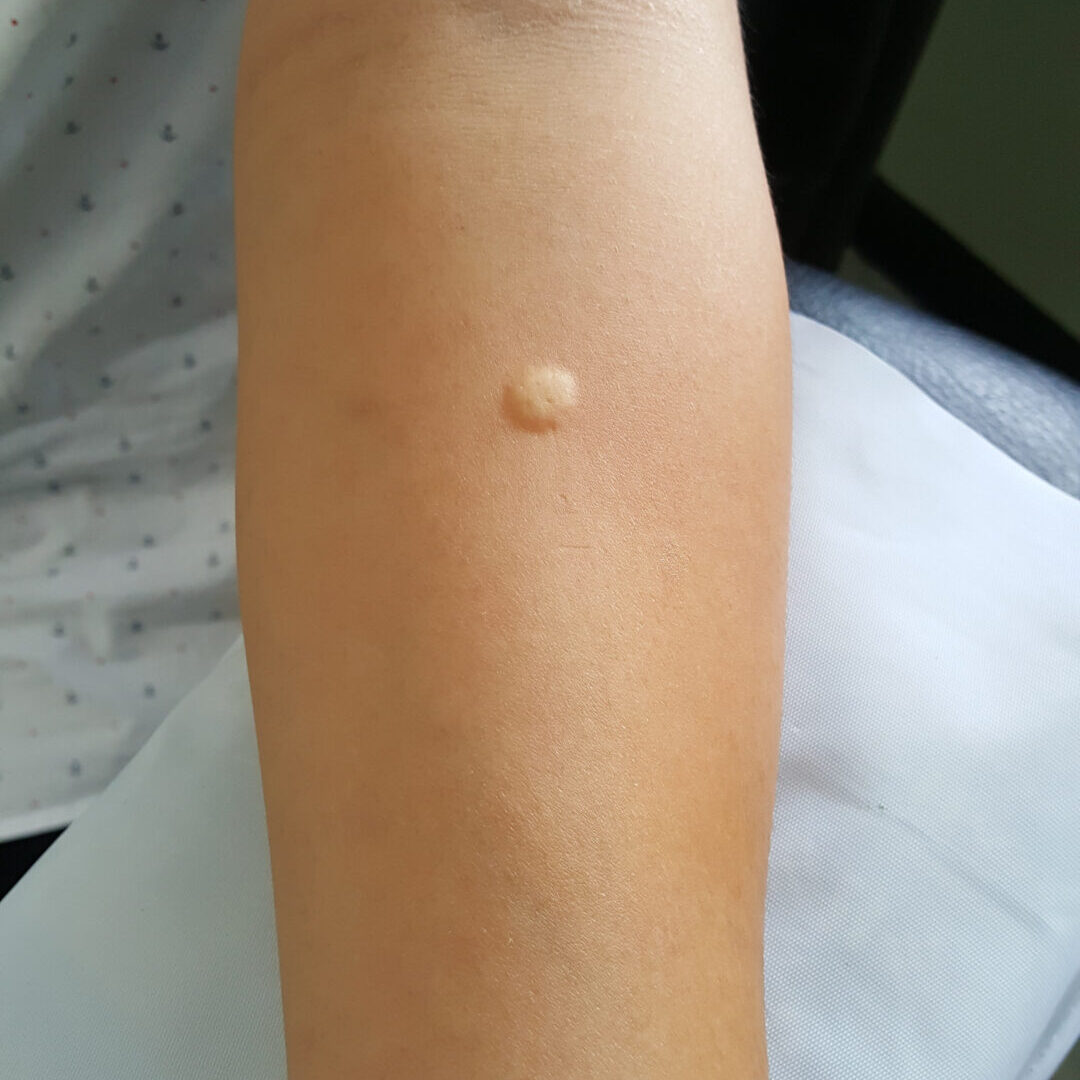
- Tuberculin Skin Test: This test is done by injecting a fluid (called tuberculin) into the skin of the forearm. If there’s swelling of a lump on the injection site within 2 or 3 days, it means that you are positive for TB.
- Chest X-rays: Your doctor might order a chest X-ray at the start of treatment or even during the treatment to evaluate the spread of infection in your lungs if you have an active TB infection.